Is rapid increase of Christianity in India raising a threat to indigenous Sanatan dharm?

Image
  The Complex Tapestry of Faith: Christian Missionary Activities and Hindu Concerns in India ​The topic of Christian missionary activity in India is a complex and often contentious one, woven with threads of history, social dynamics, religious freedom, and cultural identity. For centuries, Christian missions have been a part of India's social landscape. However, in recent decades, their activities have become a source of deep concern for some Hindu groups, who see them as a significant threat to the country's indigenous culture and civilizational fabric. This article explores the various facets of this multifaceted issue, focusing on the arguments regarding cultural preservation. ​A Historical Perspective ​Christianity in India is not a recent phenomenon, dating back to the arrival of St. Thomas the Apostle in the first century AD. However, organized missionary work gained significant momentum during the colonial era. While missionaries established educational and healthcare...

New virus 🦠(flu) alert;influenza H3N2

Influenza H3N2 Virus


Influenza H3N2 is a subtype of the influenza A virus that can cause seasonal flu in humans. It is one of several strains of the flu virus that circulate each year and can cause illness. The H3N2 virus is particularly known for causing more severe symptoms compared to other flu strains, and it has been associated with higher rates of hospitalization and death, particularly in elderly populations.


Like other strains of the flu virus, H3N2 can undergo genetic changes over time, which can make it more difficult to predict and prevent. Every year, the World Health Organization (WHO) makes recommendations for the composition of the flu vaccine based on the strains of the virus that are expected to circulate during the upcoming flu season. The vaccine is designed to provide protection against the strains of the virus that are most likely to cause illness.


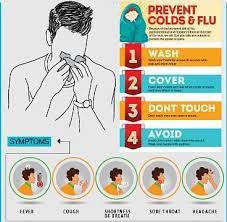
Symptoms of H3N2 flu can include fever, cough, sore throat, body aches, fatigue, and headaches. These symptoms can last for several days to a week or more, and the virus is highly contagious, meaning it can easily spread from person to person through respiratory droplets when an infected person coughs, sneezes, or talks.


Prevention measures for H3N2 flu include getting an annual flu vaccine, practicing good hand hygiene, avoiding close contact with people who are sick, covering your mouth and nose when you cough or sneeze, and staying home if you are sick.


If you suspect you may have the flu, it is important to seek medical attention as soon as possible, particularly if you are at high risk for severe illness or complications. Treatment options for H3N2 flu include antiviral medications, which can help reduce the severity and duration of symptoms if taken early enough in the course of the illness.


Please do follow,comment our blog 

Subscribe our youtube channel.

Comments

Popular posts from this blog

What are backlinks? How are they useful? Know about backlinks

The rise of ⚡ELECTRIC VECHILES⚡Are we ready are EV future

Star maa history