India,a better place to live
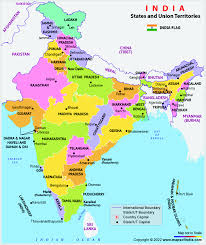
India is a vast country located in South Asia with a population of over 1.3 billion people. It is the seventh-largest country in the world by area and the second-most populous country after China. India is known for its rich history, diverse culture, and vibrant economy. The country is home to many religions, languages, and ethnic groups, which contribute to its diversity and cultural heritage.
India is a democratic republic with a federal structure of government. The President of India is the head of state, while the Prime Minister is the head of government. The Indian constitution provides for a separation of powers among the executive, legislative, and judicial branches of government. The country has a bicameral legislature, consisting of the Rajya Sabha (Council of States) and the Lok Sabha (House of the People).
India has a mixed economy with agriculture, industry, and services sectors contributing to its GDP. The country is a major exporter of IT services, pharmaceuticals, and textiles. India is also the world's largest producer of milk, second-largest producer of wheat and rice, and third-largest producer of fruits and vegetables. The Indian economy has undergone significant growth in recent years, with an average annual growth rate of around 7% in the last decade.
India is a secular country with a rich cultural heritage. Hinduism is the largest religion in the country, with over 80% of the population following it. Other major religions in India include Islam, Christianity, Sikhism, Buddhism, and Jainism. The country is home to many famous landmarks, including the Taj Mahal, Red Fort, and the Golden Temple.
India has a diverse climate due to its large size and geographical diversity. The country experiences four major seasons, with hot summers, monsoon rains, and cool winters. The Himalayas in the north provide a natural barrier and influence the climate in the northern parts of the country. The western and eastern coasts of India are surrounded by the Arabian Sea and the Bay of Bengal, respectively.
India faces many challenges, including poverty, corruption, and environmental degradation. The country has made significant progress in addressing some of these issues in recent years. The government has launched several programs to reduce poverty and improve access to healthcare, education, and sanitation. India has also made efforts to address climate change and increase the use of renewable energy sources.
In conclusion, India is a diverse and vibrant country with a rich history and cultural heritage. The country has made significant progress in recent years in terms of economic growth and social development. India faces many challenges, but it is a country full of potential and opportunity.





Comments
Post a Comment